ONERO VALVES
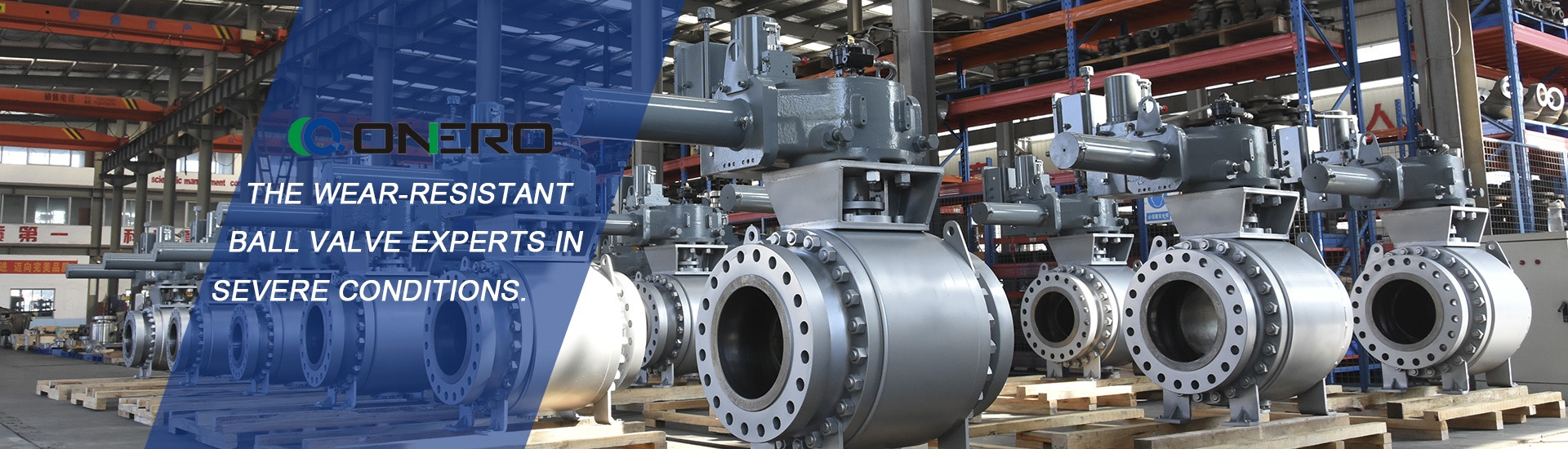
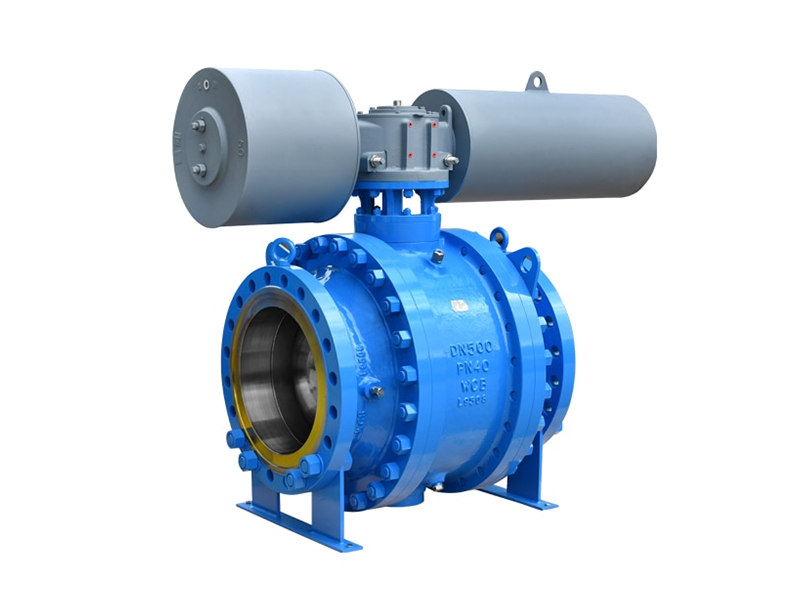
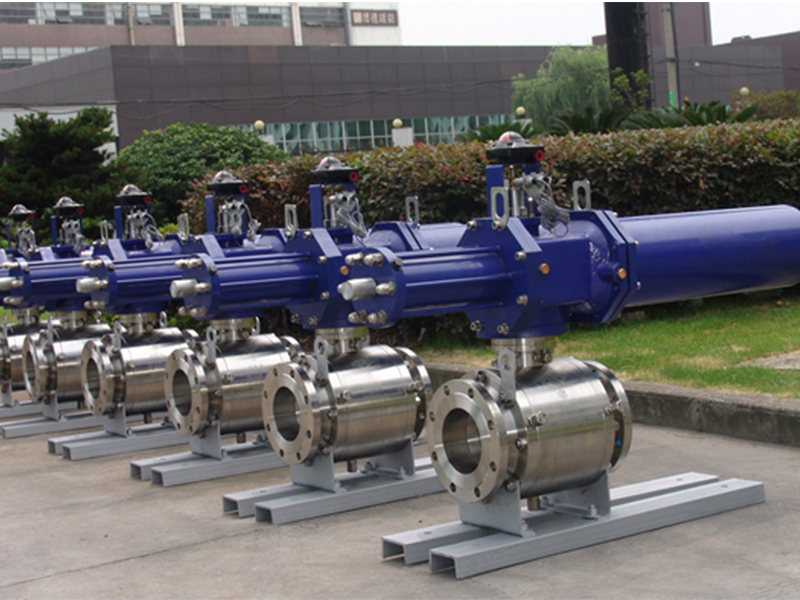


ONERO hydraulically actuated ball valves deliver robust automated control for demanding applications requiring high torque and reliability. The actuator generates high force output, making it ideal for large or high-pressure valves in pipelines and chemical plants. Engineered for seamless integration with control systems, these valves enable precise remote operation via electric signals for rapid response. In case of hydraulic power loss, a hand pump serves as a backup, while the incompressible fluid ensures the valve retains its position. Combined with fail-safe spring-return functionality, this enhances operational safety—making the system ideal for automating processes and managing emergency shutdowns in hazardous environments, without manual intervention.
Technical Specifications & Compliance
Confirm pressure ratings (ANSI 150 to 2500 classes) and temperature range (-150°F to 1000°F with specialized seats). Critical flow characteristics include full port vs. reduced port (Cv values) and pressure drop requirements. Ensure compliance with API 6D/607, ISO 5211 mounting standards, and ATEX/IECEx certifications for explosive atmospheres. Material compatibility is paramount: choose 316L stainless steel or alloy C276 bodies for corrosive services, reinforced PEEK or TFM seats for high-temperature/chemical resistance, and carbon steel with hard-facing for abrasive slurries.
Performance Requirements & Testing
Focus on leakage rates (ANSI Class VI for soft-seated zero leakage, Class IV/V for metal-seated applications), actuation speed (typically 2-15 seconds for 90° rotation), and torque profiles (high breakaway torque is a key differentiator). Benchmark against industry standards: a minimum of 250,000 cycle durability for continuous duty and <1% hysteresis in precise modulating control. Documentation for pressure testing (1.5x max operating pressure) and fire-safe testing (API 607/6FA) is mandatory for safety-critical systems.
Considerations When Choosing Hydraulic Actuators for Ball Valves
Torque Requirement
Matching actuator output to valve torque demands is essential. Undersizing risks incomplete closure or stem damage, while oversizing increases costs and physical footprint. Accurate calculation must consider valve size, pressure differential, and media characteristics to ensure reliable 90-degree operation.
Operational Speed
Actuation speed must suit process needs. The quarter-turn design allows for rapid operation, ideal for Emergency Shutdown (ESD). Conversely, speed can be precisely controlled for gentle handling of abrasive media or to prevent pipeline surge, minimizing wear and water hammer.
System Reliability
Redundancy ensures operation during failures. Hydraulic systems with accumulators provide multiple cycles upon power loss. Spring-return or fail-safe modules are critical, moving the valve to a predetermined safe position (open/closed) to protect personnel and the process.
Lifecycle Economics
Evaluate total cost beyond initial purchase. This includes the power unit, maintenance, and hydraulic fluid. While upfront costs are higher than pneumatic systems, hydraulic actuators offer a strong return through superior longevity and reduced maintenance in demanding services.
E-mail: sales@onero-valves.com
Mobile: +86-18969707152
Address:Fengyu Village, Huangtian Street, Yongjia County, Zhejiang Province, China.
Copyright © ONERO VALVES. All rights reserved Privacy Notice | Privacy Policy | XML | Sitemap

 English
 简体中文
简体中文 Products